
How to de-alias a foldover to reveal the true two-factor interactions
This is part 3 of an adaption from Mark Anderson’s 2023 YouTube webinar, "Do's & Don'ts for Screening Process Factors."
Resolution IV designs that detect two-factor interactions
In our training courses, we teach screening using a 9-factor, 20-run example for an arc-welding experiment. This case deploys a Resolution IV Minimum-Run Screening design. The significant effects are shown below:
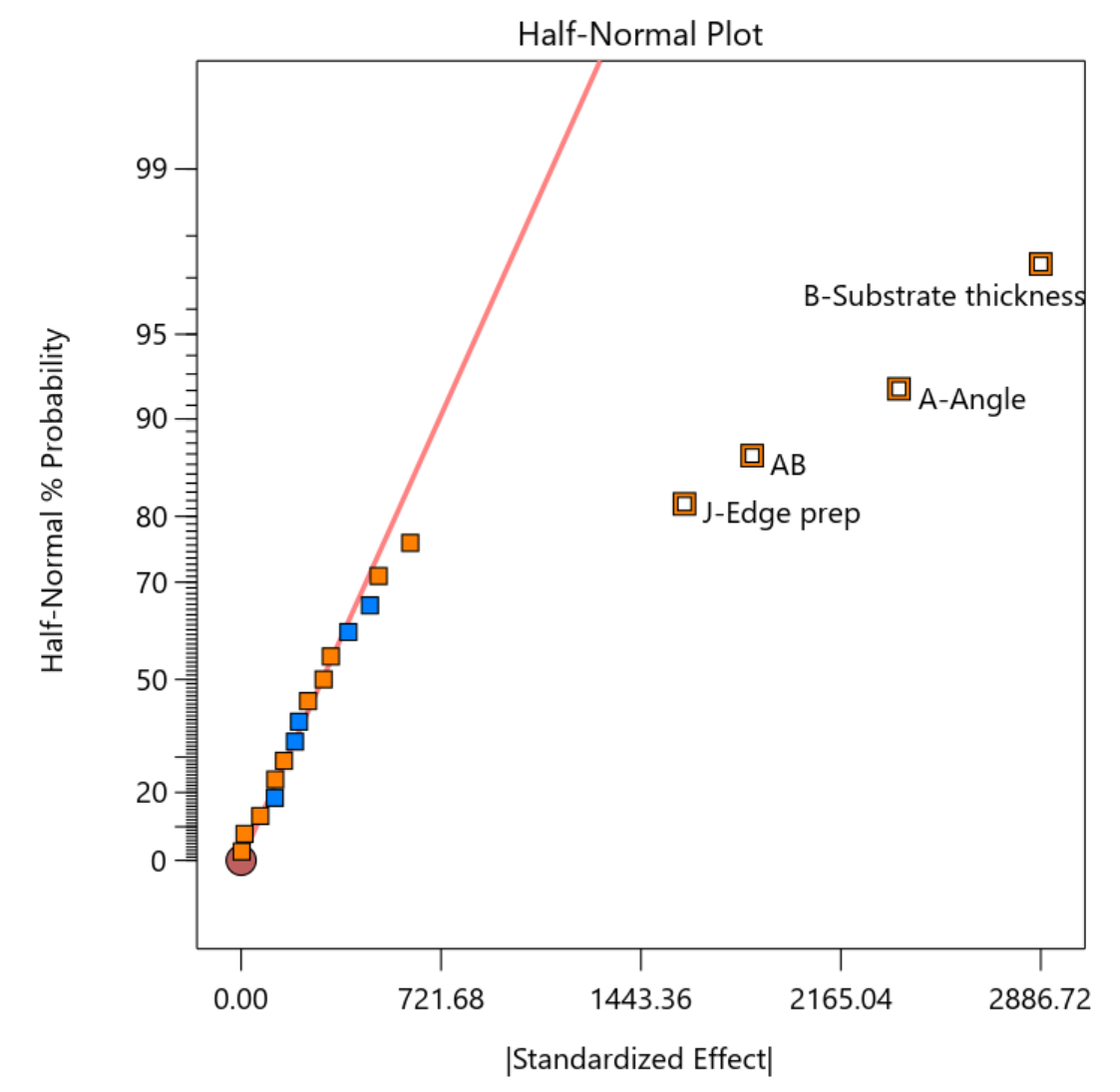
Figure 1: Half-normal plot of effects for arc-welding screening experiment
This experiment reveals a significant two-factor interaction term (AB). The half-normal plot also indicates significance for both parents of AB—factors A and B. A resolution IV design aliases main effects only with three-factor or higher order effects that rarely occur, thus it is save to conclude in this case that factors A and B do indeed create main effects. But you must remain wary about the AB term. Here’s the catch: with resolution IV designs, two-factor interactions are aliased with other two-factor interactions. As shown in Figure 2, in this case, AB is aliased with eight other two-factor interactions.
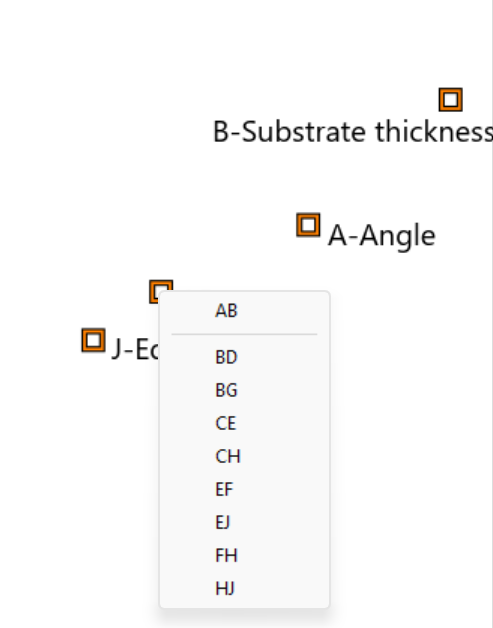
Figure 2: Aliasing of the AB interaction with other two-factor interactions
The reason AB is listed on the half-normal plot instead of the other options is simply because the list is alphabetical. Perhaps it makes sense to the process experts that AB is indeed the proper choice. Or perhaps you feel confident that because both A and B were correctly identified, the interaction between the two is the most logical choice. But it is possible to have an interaction present even when the main effect terms do not show up as significant. Anyone who has ever encountered our software’s hierarchy warning has seen this phenomenon in action.
The consequence of getting this wrong in a screening design is that you may miss factors that are indeed consequential. For example, in the above list if CH was the correct interaction rather than AB, then you would miss carrying C and H forward from the screening design.
You can use a semifold design to validate the AB alias. This will add 50% more runs but will more confidently ensure the likelihood that you’re not missing something important from your screening effort. Figure 3 shows how to do so with Stat-Ease software.
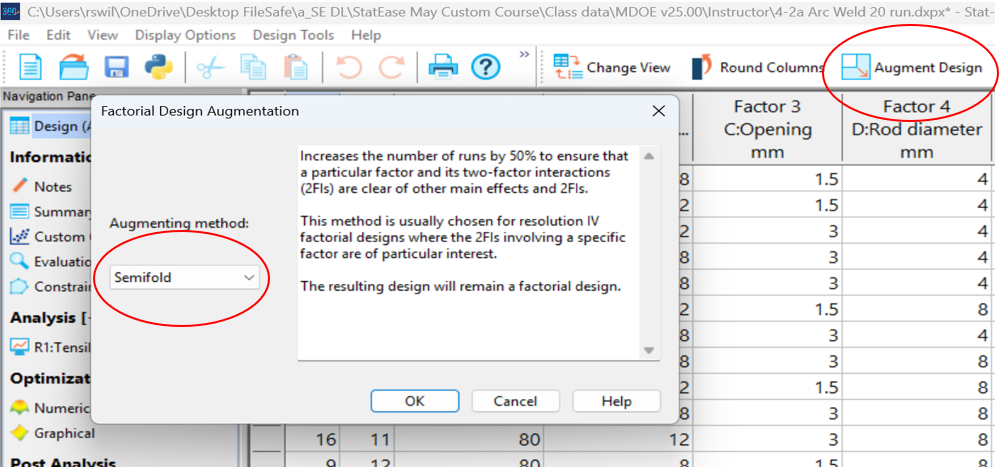
Figure 3: Augmenting a resolution IV design via a semifold
In the next menu, selecting either A or B to fold on will be best given the goal ofresolving the AB interaction. In this case, a good choice will be J+ Edge Prep at the high level), because this factor at the plus setting generated significantly higher tensile strength for the welds. Figure 4 shows these entries in the semifold dialog box.
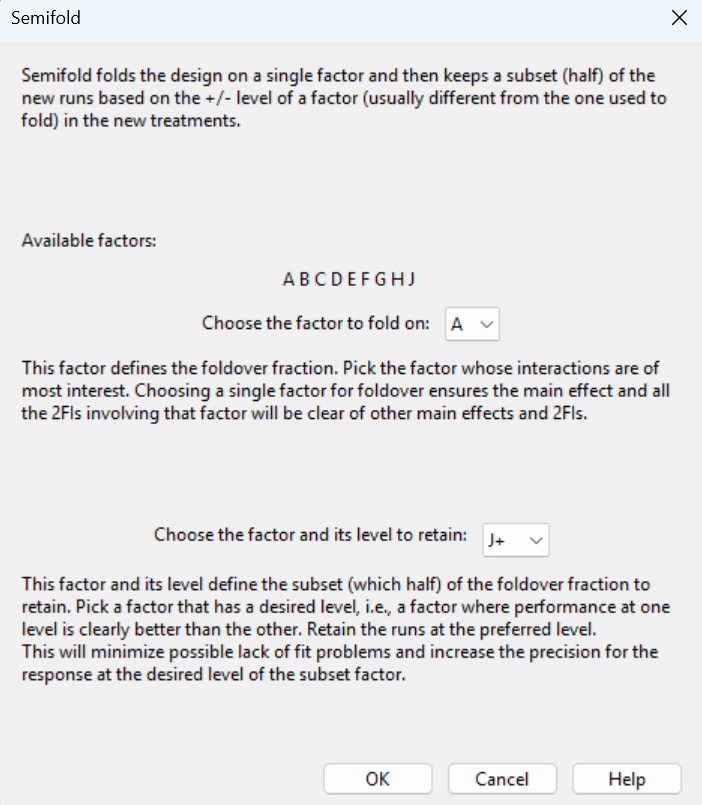
Figure 4: Specifying how to do the semifold
Inspecting the resulting alias structure shown in Figure 5, the semifolded design cleanly identifies not only main effects, but all the two-factor interactions involving factor A, including the AB term of interest.
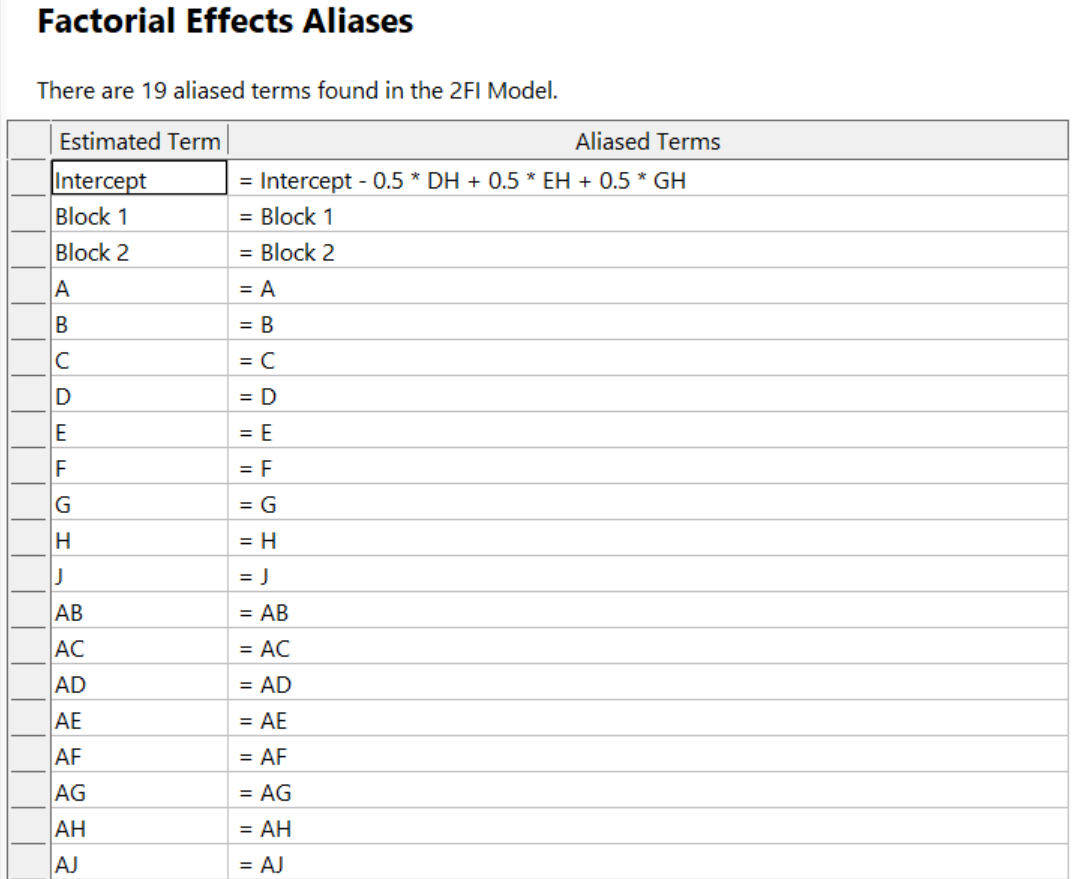
Figure 5: Alias structure after doing the semifold
The semifold increased the original 9 factor, 20 run design to 30 runs. Another option would be to use a resolution V design from the start to ensure all two-factor interactions could be estimated clear of any troublesome aliasing, for example, the minimum-run resolution V characterization design with 46 runs. So, for screening, there is a clear efficiency advantage to using resolution IV designs, even if there is an interaction term worthy of investigating further using a semifold augmentation.
For all DOE’s, it is important to evaluate a design for power–the ability of the design to identify factors impacting responses by a selected magnitude. This is mainly driven by the number of runs. For example. If you’re running a seven-factor resolution IV screening design to look for factor effects of 1.5 standard deviations, you will need at least 19 runs to have acceptable power. The standard geometric resolution IV design has only 16 runs and the minimum run screening design has only 14 runs. Both approaches will require adding a few more runs to satisfy the power requirements.
For fractional factorial designs–especially screening designs–it is also important to evaluate the design for aliasing. The lower the resolution, the more consequential the aliasing. The augmentation approaches discussed in the post can be helpful in addressing tricky aliasing issues that could otherwise limit the success of your screening effort.
When things don't go as planned, whether you've inherited a resolution III design or uncovered a suspicious interaction term, augmentation strategies like the foldover and Semifold offer practical paths forward without starting from scratch. Yes, these repairs cost additional runs, but they cost far less than drawing the wrong conclusions and carrying the wrong factors into your next phase of experimentation. A little upfront diligence in design selection, paired with a willingness to augment when the data demands it, is the surest route to a screening effort that sets your entire experimental program up for success.